Gardening Penge: Recycling and Sustainability for an Eco-Friendly Waste Disposal Area
 Gardening Penge is committed to creating a resilient, eco-friendly waste disposal area and a thriving sustainable rubbish gardening area that supports biodiversity and reduces landfill. Our local approach aligns with borough-wide waste separation policies — including separate food waste, mixed recycling, garden waste collections and targeted textile and glass streams — so household and community garden waste becomes a resource, not refuse.
We set a clear recycling percentage target: 65% household and garden waste diversion within five years. This target covers composting, green waste collection, material recycling and reuse pathways. By prioritising source separation at the community level and expanding communal composting points, Gardening Penge aims to shrink residual waste and improve soil health across local green spaces.
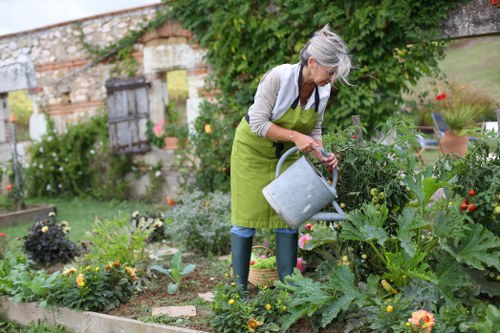 Our practical plan ties neighbourhood action to larger municipal systems. We work with the boroughs’ approach to waste separation — encouraging residents to use food caddies, dry recycling boxes, and separate garden waste sacks — so that material arriving at local transfer facilities is already well sorted and ready for processing.
To support an effective eco-friendly disposal zone we map and promote nearby local transfer stations and reuse centres. These include civic amenity sites managed by neighbouring boroughs and communal drop-off points used for bulky garden waste and recyclable soils. By directing compostable green waste to appropriate processing facilities, we reduce contamination and improve overall recycling rates.
Local transfer stations and reuse hubs form the backbone of our plan. Key actions include:
- Signposting to borough and neighbouring reuse facilities to make sustainable disposal effortless.
- Scheduled collections that connect community compost hubs to transfer stations to avoid double-handling.
- Volunteer-led drop-offs for segregated materials to increase capture of reusable items.
 We cultivate partnerships with local charities and social enterprises to extend the life of garden materials and household items. Through collaboration with community reuse groups, tool libraries and food redistribution networks, we ensure that viable goods and surplus produce find new homes rather than entering the waste stream.
Gardening Penge's charity partnerships are designed to be practical and circular: charities help refurbish garden furniture, redistribute surplus soil and compost, and run workshops that teach low-carbon gardening techniques. These alliances also support social value — creating training and volunteering opportunities for neighbourhood residents while diverting items from disposal.
Low-Carbon Transport: Fleet and Logistics
Our operational model includes a transition to low-carbon vans and last-mile solutions. By deploying electric vans, plug-in hybrids and cargo bikes for short runs, we cut emissions connected to waste transfer and community collections. Route optimisation and consolidated pick-ups further reduce mileage and pollutant output.
What residents can do
Simple, effective actions make the eco-friendly waste disposal area a reality: separate food scraps for community and kerbside composting, bag garden waste correctly, rinse recyclables when needed, and bring reusable pots or soil bags to exchange points. Small changes by many add up to major gains for Penge’s sustainable rubbish gardening area.We track progress with transparent metrics: weekly diversion tonnage, contamination rates, and neighbourhood participation. Data drives local decisions — where to place new compost hubs, which streets need extra signage, and how to prioritise low-carbon vehicle deployment. Our goal is a measurable shift in both behaviour and carbon footprint.
 Complementary actions include educational pop-ups, seasonal green waste drives and swap events for garden tools and planters. These events are run in partnership with charities and community groups and are designed to keep good materials circulating while strengthening the local circular economy.
Long-term vision: Gardening Penge seeks to be a model for neighbourhood-scale sustainability. Through committed recycling targets, strategic use of transfer stations, charity partnerships, and an electrified, low-carbon fleet, the community will reduce waste, build richer soils and support a greener borough approach to resource management. Together we can create an enduring, practical and truly sustainable rubbish gardening area that serves people and planet.