Top local gardeners SE20 terraces Anerley Road
If you are looking for Top local gardeners SE20 terraces Anerley Road, you are probably dealing with a very real kind of garden challenge: narrow side access, split-level terraces, compact front plots, and the sort of outdoor space that looks simple until you actually try to maintain it. Terraced gardens around Anerley Road can be charming, but they also need the right hands. A good gardener makes the difference between a space that feels a bit tired and one that feels lived-in, tidy, and genuinely useful.
In this guide, we will walk through what local terraced-garden care actually involves, why it matters in SE20, how to choose the right help, and what to expect from a professional service. You will also get practical tips, common mistakes to avoid, and a simple checklist you can use before booking. No fluff. Just the useful stuff, properly explained.
Why Top local gardeners SE20 terraces Anerley Road Matters
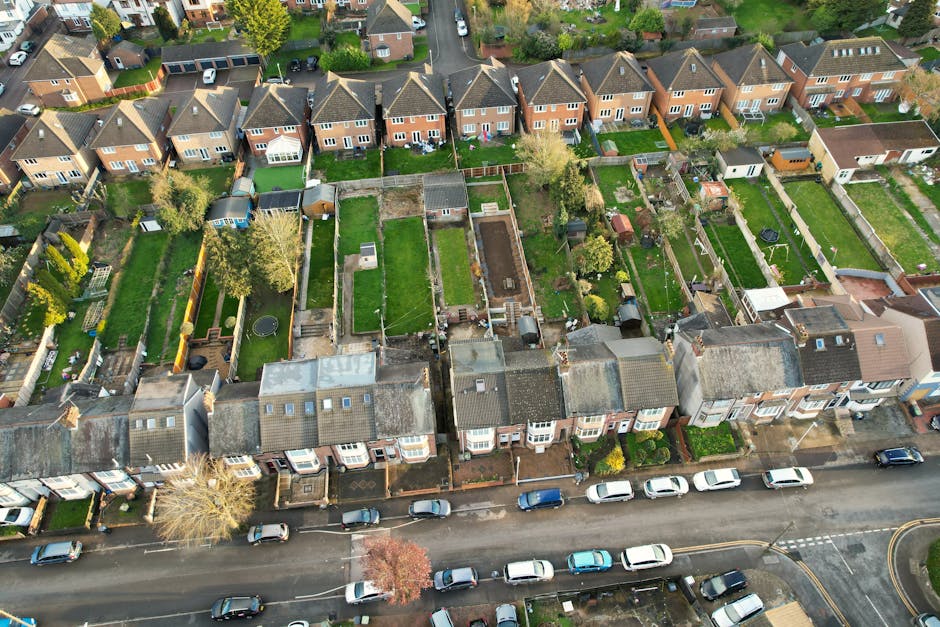
Terraced gardens in SE20 often have a very particular rhythm. They can be narrow, slightly shaded, bounded by fencing or brick walls, and shaped by neighbouring properties in ways that affect light, drainage, and privacy. That means garden work here is rarely just about mowing a lawn and heading off. It is about understanding how small outdoor spaces behave over time.
A local gardener who works regularly around Anerley Road is more likely to notice the little things that make a big difference: a patch of moss where the sun never quite reaches, a hedge that has outgrown the available space, or a back corner that traps debris after windy weather. Honestly, these are the details that separate a quick tidy-up from proper garden care.
For many homeowners, the real issue is not just appearance. It is usability. A terrace garden can become a place for morning coffee, a child's play area, a quiet read after work, or a practical green space that softens the hard edges of urban living. To get there, the layout and upkeep need to be realistic for the size and conditions of the property. That is where local knowledge matters.
If you are already thinking about a broader refresh, it may help to look at related services such as garden maintenance, landscape gardening, or even a one-off garden clearance if the space has got away from you a bit. No judgement. That happens more than people admit.
How Top local gardeners SE20 terraces Anerley Road Works
Working on a terrace garden in this part of London usually starts with a practical assessment rather than a generic checklist. A reliable gardener will look at access, space constraints, plant health, soil condition, drainage, sunlight, and the amount of routine maintenance needed. If the garden is tiny, a clean and tidy border can matter more than any dramatic redesign. If it is larger but awkwardly shaped, the priority might be better flow and easier upkeep.
In practice, good garden care for terraced homes often includes a blend of routine and seasonal jobs:
- lawn care or grass cutting where there is a lawn;
- hedge trimming and shaping;
- pruning shrubs, climbers, and overgrown perennials;
- clearing leaves, cuttings, and general debris;
- border tidying and weed control;
- soil improvement and mulching;
- minor layout adjustments for easier access;
- advice on plants that suit shade, wind, or limited space.
Some gardens only need maintenance every couple of weeks in the growing season. Others need a monthly or even quarterly service, especially if the planting is low-maintenance and the layout is already sensible. Truth be told, the best schedule is the one you can actually stick to. Fancy plans are lovely. Reality is better.
Many homeowners also ask for practical extras, such as clearing out old pots, cutting back paths, or removing tired planting before new borders are introduced. If you need a fuller refresh, it can be worth reviewing options in landscaping or matching the work to a broader property improvement plan. That way the garden does not end up looking half-finished, which is a bit of a sore point for many of us.
Key Benefits and Practical Advantages
The biggest benefit of using a local gardener for a SE20 terrace is simple: the garden becomes easier to live with. It sounds obvious, but that is often the whole game. A well-kept terrace feels calmer, looks larger, and is more enjoyable to use. The air changes a little too. You notice it when the clutter goes, the edges are neat, and the planting has room to breathe.
Here are the practical advantages most people notice first:
- More usable space: a tidy terrace feels bigger, especially when pathways and borders are kept in proportion.
- Better plant health: regular maintenance prevents crowding, pest build-up, and weak growth.
- Less long-term work: smaller jobs done regularly are usually easier and less costly than emergency catch-up work.
- Improved privacy: careful trimming and screening can make a narrow garden feel more secluded.
- Safer surfaces: reducing moss, overgrowth, and debris can help avoid slippery or awkward areas.
- Better kerb appeal: even a modest front or rear terrace can look smart with consistent care.
There is also a less obvious benefit: peace of mind. When you know the garden is being handled by someone who understands the local conditions, you stop worrying about what might be getting worse under the surface. That matters more than people think.
For homeowners with packed schedules, the convenience is a major plus. For landlords or sellers, presentation can be decisive. And for anyone who simply wants to enjoy their space without spending every weekend wrestling with it, regular support can be the difference between a garden you use and a garden you merely look at through the window.
Who This Is For and When It Makes Sense
This kind of local gardening support makes sense for a wide range of people, but especially for those dealing with terrace properties where space is limited and maintenance is easy to fall behind on.
- Busy homeowners: if work, family, or travel leaves little time for outdoor upkeep.
- Older residents: if heavy lifting, pruning, or ladder work is no longer practical.
- Landlords: if you need the garden presentable between tenancies or inspections.
- First-time buyers: if you have inherited a garden that needs structure and a realistic maintenance plan.
- Sellers: if you want the exterior to support a stronger first impression.
- People with small or awkward plots: if your garden is just not forgiving when neglected.
It also makes sense when you are trying to decide between simple maintenance and a bigger redesign. Sometimes the answer is not a full renovation. Sometimes the problem is just that the existing layout is a bit clumsy. A few smart changes can go a long way. Why rip everything out if the bones are fine?
If you are not sure where to begin, look at the current state of the garden honestly. Is it mainly tidying? Is it overgrown? Is it poorly laid out? Is drainage a recurring nuisance after rain? Those answers help you choose the right level of service without overbuying or underplanning.
Step-by-Step Guidance
If you are approaching terraced garden care for the first time, it helps to break the job into manageable steps. Here is a sensible route that works well for most SE20 homes.
- Walk the space properly. Look at light, shade, access, borders, paths, and any obvious problem areas. Early morning or late afternoon is often the best time to spot what the garden actually feels like.
- Prioritise the essentials. Start with safety, access, and structural tidiness before thinking about decorative changes. If the path is blocked, the prettiest planting in the world will not help much.
- Decide what stays and what goes. Some plants are worth saving, some are not. Keep the healthy structure; remove the tired or diseased material.
- Set a maintenance rhythm. Weekly, fortnightly, monthly, or seasonal. Pick something realistic. A heroic schedule that collapses in two weeks is no schedule at all.
- Improve the soil and borders. Add compost, mulch, or fresh top layer where needed. This is especially useful in compact terraces where soil gets tired faster.
- Refine the layout. Narrow spaces benefit from clear lines, simple access, and repeated planting that does not overwhelm the garden visually.
- Review after the first cycle. After one or two visits, check what feels better and what still feels clunky. Gardens are rarely perfect on the first pass.
That last step matters. In our experience, people often expect a single visit to fix everything. Sometimes it does a lot. Sometimes it just shows you what the real priorities are. That is still progress.
If you want to build a more resilient garden plan, it can help to combine routine work with selective specialist tasks such as hedge trimming, lawn mowing, or tree lopping and removal where appropriate. The key is not to force everything into one visit if the garden needs phased attention.
Expert Tips for Better Results
Terrace gardens reward small, thoughtful choices. They are not always about big spending. More often, they improve through restraint, timing, and consistency. Here are a few points that make a real difference.
- Use repetition in planting. A few repeated plants often look calmer and more intentional than a jumble of one-offs.
- Keep one clear line of movement. If you can walk through the space comfortably, the whole garden feels better.
- Do not fight the shade. If a corner is always shaded, choose plants that actually tolerate it. Do not force sun-loving varieties into a losing battle.
- Mulch at the right time. This helps hold moisture, suppress weeds, and give borders a neat finish.
- Prune for shape, not just size. Over-cutting can make a terrace garden feel harsh and bare.
- Think in layers. Low edging, mid-height planting, and a few taller elements can give depth without crowding the space.
A small human note here: people often think they need "more garden" when what they really need is better structure. It is a bit like tidying a room. You do not always need more furniture; sometimes you just need to place what you already have in the right spot.
Another useful habit is to keep an eye on the garden across the seasons. Winter exposes structure. Spring reveals growth. Summer can show watering issues. Autumn is the big truth-teller, with leaves, dampness, and all the rest. If you notice patterns, you can plan ahead rather than reacting every time. Saves headaches. Properly.
Common Mistakes to Avoid
Terraced gardens are small enough that mistakes show quickly. The good news is that most of them are avoidable once you know what to look for.
- Overplanting: too many plants in a tight space makes maintenance harder and blocks light.
- Ignoring drainage: standing water, soggy beds, or slippery paths can become repeated problems.
- Choosing the wrong plants for the site: a sun border in a shady terrace is asking for trouble.
- Letting hedges and climbers run unchecked: they can quickly dominate a compact garden.
- Skipping regular maintenance: small jobs build up fast, and then everything feels harder than it should.
- Prioritising looks over access: a garden that looks great but is awkward to use usually frustrates people over time.
One mistake that comes up a lot is trying to copy a larger suburban garden style into a narrow terrace. It often looks a bit forced. Better to lean into the scale you actually have. Compact can be beautiful. It just needs confidence and a steady hand.
Another issue is ignoring the difference between a quick tidy and proper maintenance. They are not the same thing. A tidy may make things look better for a weekend; maintenance keeps the garden healthy enough to stay that way.
Tools, Resources and Recommendations
Good results usually come from using the right tools and not trying to improvise with the wrong ones. A local gardener working on terraces will often use a mix of hand tools and powered equipment depending on the garden's size and condition.
| Task | Best approach | Why it helps in terraced gardens |
|---|---|---|
| General tidy-up | Hand tools, bags, and careful clearing | Less disturbance in tight spaces, easier around borders and ornaments |
| Regular mowing | Light, clean mower setup | Gives a neater finish without compacting small lawns too much |
| Hedge shaping | Sharp trimmers and finishing shears | Improves control where access is limited |
| Overgrowth control | Phased pruning and cut-back | Prevents shock to plants and avoids bare, harsh-looking results |
| Border improvement | Compost, mulch, and selective replanting | Supports healthier growth in compact beds |
For homeowners, the most useful resources are often the simplest ones: a seasonal maintenance plan, a basic list of plants that work in shade or part-shade, and a realistic budget for keeping the garden under control. If the space has become cluttered, garden clearance may be the right starting point before any detailed improvements are made.
You might also want to look at the broader services overview to understand what can be bundled together, especially if your garden needs more than one kind of support. Sometimes a small package of related work is more efficient than piecemeal visits. Not always, but often enough to be worth asking.
Law, Compliance, Standards, or Best Practice
For most domestic garden work, there is usually no complicated compliance burden for the homeowner, but there are still sensible standards and duties to keep in mind. Safety should come first, especially where ladders, power tools, sharp equipment, waste removal, or work near boundaries is involved.
If a gardener is operating professionally, you would normally expect them to work in line with accepted health and safety practices, handle waste responsibly, and communicate clearly about any higher-risk tasks. That includes checking whether a job involves protected trees, awkward access, or anything that should be handled more cautiously. In a dense residential area, being careful is just common sense.
It is also good practice to ask about insurance and liability before major work begins, especially if the job includes tree work, heavy clearance, or anything with a higher risk of damage. A trustworthy provider will not make a fuss about that. They should be able to explain how they work and what is included. If they dodge the question, that is a little red flag, to be fair.
For environmentally minded customers, waste handling matters too. A sensible gardener should aim to reuse or recycle green waste where possible and keep disposal tidy and lawful. If sustainability is a priority for you, it may be worth checking a provider's recycling and sustainability approach before booking.
Finally, always keep communication clear about what is and is not included. That helps avoid misunderstandings around cuttings, waste bags, access, and follow-up work. Good practice is not glamorous, but it saves headaches.
Options, Methods, or Comparison Table
Not every terrace garden needs the same type of support. Some just need routine upkeep, while others need a stronger reset. Here is a simple comparison to help you decide what fits best.
| Option | Best for | Pros | Watch out for |
|---|---|---|---|
| Routine maintenance | Gardens already in decent shape | Predictable, tidy, keeps things under control | May not solve deeper layout or drainage issues |
| One-off tidy-up | Gardens that have drifted off course | Fast visible improvement | Results can fade without a follow-up plan |
| Full clearance | Severely overgrown or cluttered spaces | Creates a clean slate | Can feel drastic if not followed by replanting or structure |
| Landscaping refresh | Gardens needing design improvements | Better flow, better use of space | Usually takes more planning and budget |
| Targeted specialist work | Hedges, lawns, trees, or access issues | Efficient, focused, often good value | May need coordination with general maintenance |
If you are unsure which route to take, start with the question: what problem is bothering you most? If it is visual clutter, tidying may be enough. If the garden is awkward to use, a design adjustment may make more sense. If the plants are healthy but neglected, maintenance is probably the right answer. Simple enough, really.
Case Study or Real-World Example
Consider a typical SE20 terrace garden near Anerley Road: a narrow rear space with patchy lawn, overgrown shrubs, and a back corner that gets little light. The owner wanted something neat enough for everyday use but did not want to strip it bare or rebuild everything from scratch.
The first visit focused on clearing the obvious problem areas, cutting back the most dominant growth, and opening up the path to the back. The gardener then reduced the number of competing plants, reshaped the borders, and left a plan for the next phase. Nothing dramatic. Just sensible.
On the second round, the garden started to feel larger because the edges were cleaner and the planting had room to breathe. The path made more sense. The darker corner was turned into a shade-tolerant planting area instead of a dead zone. The lawn, such as it was, stopped looking like a struggle and started looking intentional.
That is often how these gardens improve. Not with a grand reveal, but in stages. The biggest shift is usually how the space feels when you step outside on a weekday evening. It is quieter. Less chaotic. A bit more welcoming. And that matters.
If the garden had been left another season, it would likely have needed a much bigger intervention. Instead, a moderate amount of skilled work kept the job manageable. That is the kind of practical win people rarely regret.
Practical Checklist
Use this checklist before booking local garden work for a terrace property in SE20:
- Identify your main goal: tidy-up, maintenance, clearance, or redesign.
- List the problem spots: shade, drainage, overgrowth, poor access, or clutter.
- Decide how often the garden needs attention.
- Check whether any trees, hedges, or climbing plants need specialist care.
- Note any waste removal or recycling requirements.
- Prepare access details, especially for rear terraces or shared pathways.
- Ask what is included in the visit and what is extra.
- Confirm whether insurance and safety practices are in place.
- Consider whether you need maintenance only, or a broader landscaping update.
- Set a realistic budget and timeline.
And one more thing: have a quick look at the garden right before the visit. It sounds small, but it helps. You will often spot the one stubborn branch or awkward corner that really needs attention.
Conclusion
Finding Top local gardeners SE20 terraces Anerley Road is really about choosing someone who understands the shape, scale, and practical demands of terrace gardens in this part of London. The right gardener does not just make a space look neat for a day. They help it work better over time, with less stress, less guesswork, and fewer expensive surprises later on.
If your terrace feels a bit crowded, untidy, or underused, the best next step is usually a realistic one: assess the space, decide what matters most, and choose the kind of help that matches the problem. That might be routine maintenance, a one-off clearance, or a more thoughtful landscaping refresh. Either way, a good plan beats a rushed one every time.
Get a free quote today and see how much you can save.
Sometimes the smallest change outside makes the whole house feel lighter. Funny how that works.
Frequently Asked Questions
What do local gardeners in SE20 usually do for terraced gardens?
They typically handle routine maintenance such as mowing, hedge trimming, pruning, weeding, clearing debris, border care, and occasional tidy-up work. For terraced homes, they often focus on making small spaces easier to manage and better to use.
How often should a terrace garden in Anerley Road be maintained?
It depends on the planting and layout, but many terrace gardens benefit from fortnightly or monthly attention during the growing season. If the space has fast-growing hedges or a lawn, more regular visits may be sensible.
Is one-off garden clearance enough for an overgrown terrace?
Sometimes it is enough to restore order, but if the garden has been neglected for a while, follow-up maintenance is usually needed. Otherwise the same problems tend to return fairly quickly.
Can a small terrace garden still look good with low-maintenance planting?
Yes, absolutely. In fact, small gardens often look better with simple, repeated planting and sensible structure. Low-maintenance does not mean dull. It just means intentional.
What should I ask before hiring a gardener for my SE20 terrace?
Ask what is included, how waste is handled, whether insurance is in place, how often they recommend visits, and whether they have experience with compact or shaded gardens. Those questions save a lot of back-and-forth later.
Do terraced gardens need different care than larger suburban gardens?
Usually, yes. Terraced gardens often have tighter access, more shade, less depth, and stronger edge effects from walls and neighbouring properties. That changes what grows well and how often maintenance is needed.
What is the difference between maintenance and landscaping?
Maintenance keeps the garden healthy and tidy. Landscaping changes the structure, layout, or design of the space. If the garden already works but looks untidy, maintenance may be enough. If it does not function well, landscaping may help more.
Will a gardener remove all the green waste?
That depends on the service agreement. Many gardeners can remove waste as part of the job or offer it as an additional service. It is best to confirm this before work starts, so there are no surprises.
Can a gardener help with privacy in a terrace garden?
Yes. They can suggest planting, hedge management, or layout changes that improve screening without making the space feel boxed in. Privacy is often a major concern in terrace settings, and a good plan can help a lot.
What if my terrace garden gets very little sun?
That is common in SE20 terrace properties. A gardener can recommend shade-tolerant plants, adjust pruning to let in more light where possible, and reduce competition from overgrown growth. Shade is a challenge, but not a dead end.
How do I know if I need a one-off visit or regular visits?
If the garden is already in decent shape and just needs a reset, a one-off visit may be enough. If growth keeps returning quickly, or you want the space to stay consistently neat, regular visits are usually the better choice.
Are there any special safety concerns with terrace garden work?
Yes. Access can be tight, paths may be shared, and some jobs involve height, tools, or heavy lifting. A professional should work carefully, keep the area safe, and handle higher-risk tasks with proper caution and insurance in place.