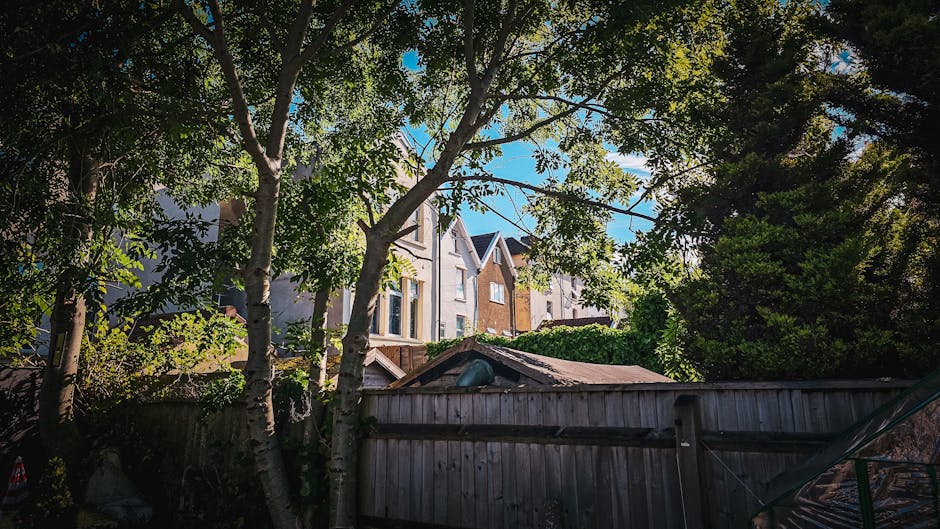
Garden maintenance near Penge East station SE20: a practical local guide for tidy, healthy outdoor spaces
If you're looking for garden maintenance near Penge East station SE20, chances are you want more than a quick mow and a bag of trimmings. You want a garden that feels neat, usable, and easy to live with, without becoming another weekend job that keeps hanging over you. That's fair enough. In this part of South London, gardens can be small, shaded, exposed, busy, or all three at once, and that changes how maintenance should be done.
This guide explains what proper garden maintenance involves, how the work is usually carried out, what to expect from a reliable local service, and how to avoid the common mistakes that waste time and money. It also covers practical decision-making, local best practice, and the simple things that make a garden easier to keep under control through the year.
Table of Contents
- Why garden maintenance near Penge East station SE20 matters
- How garden maintenance near Penge East station SE20 works
- Key benefits and practical advantages
- Who this is for and when it makes sense
- Step-by-step guidance
- Expert tips for better results
- Common mistakes to avoid
- Tools, resources and recommendations
- Law, compliance, standards and best practice
- Options, methods, or comparison table
- Case study or real-world example
- Practical checklist
- Conclusion
- Frequently asked questions
Why Garden maintenance near Penge East station SE20 Matters
A well-kept garden does more than look good. It affects how you use your home, how often pests and weeds become a problem, and how much work builds up between visits. Around Penge East, gardens often sit behind terraces, flats, and period homes where space is tight and every bit of outdoor area has to work hard. Left unchecked, even a modest garden can go from manageable to messy very quickly. You know the type: one wet spell, a few weeds, a hedge that suddenly looks twice its size, and somehow the whole place feels tired.
Regular maintenance keeps the basics under control. Lawns stay healthy rather than patchy. Shrubs keep their shape. Borders don't become a jungle. And perhaps most importantly, the job never becomes so large that it feels overwhelming. That's the real value. Not glamour. Just steady, sensible upkeep.
Garden maintenance near a busy station area also tends to suit people who want reliable scheduling. Commuters, landlords, homeowners with seasonal growth, and older residents often prefer a predictable routine rather than waiting until a garden is in poor shape and then scrambling to fix it.
Expert summary: The best garden maintenance is usually the kind you barely notice day to day, because problems are being handled before they become visible. Small, regular care beats big, stressful rescue jobs nearly every time.
How Garden maintenance near Penge East station SE20 Works
Garden maintenance is usually a combination of routine tasks rather than one single service. A good plan starts with the condition of the garden, the season, and what you actually want from the space. A family garden used for play and rest needs a different approach from a rental property with simple tidy-up needs, and very different again from a mature garden with shrubs, climbers, and seasonal beds.
In practice, maintenance often includes some or all of the following:
- Lawn mowing and edge trimming
- Weeding borders, paths, and paving joints
- Hedge cutting and shrub shaping
- Pruning of selected plants at the right time of year
- Leaf clearance and general tidying
- Deadheading and light plant care
- Green waste removal or recycling
- Minor resets after storms, growth surges, or holiday absences
The work should be seasonal, not one-size-fits-all. Spring usually means growth control and recovery after winter. Summer can mean watering support, trimming, and managing fast-growing borders. Autumn is leaf-heavy and often about preparing beds and reducing clutter before the weather turns. Winter maintenance is quieter but still useful, especially for shaping, clearance, and checking for damage.
It's also worth saying that good maintenance is not just about speed. Anyone can cut a hedge. The question is whether it will look balanced, whether the cuts are appropriate for the plant, and whether the garden will recover well afterwards. That's where experience matters. A rushed job can leave uneven growth, bare patches, or stressed plants that take months to sort out.
Key Benefits and Practical Advantages
The obvious benefit is a better-looking garden, but that's only part of the story. Proper maintenance has a few quieter advantages that people often only notice once they've had regular help for a while.
- Less long-term work: small jobs are dealt with before they turn into big ones.
- Healthier plants: pruning, feeding, and spacing are handled more carefully.
- More usable space: patios, paths, and seating areas stay clear.
- Better first impressions: useful for homes being let, sold, or simply enjoyed.
- Lower stress: you stop carrying the mental load of "I really need to sort the garden."
There's also a practical side for families and older homeowners. Safe, tidy paths matter. Clear steps matter. So does keeping plant growth away from entrances, fences, and drainage areas. A garden that is maintained well usually feels calmer, even if it's small. That calm is worth quite a bit, to be fair.
And for local properties near Penge East station SE20, where space can be compact and access may be a little awkward, regular upkeep often makes the difference between a garden that feels like part of the home and one that just sits there, a bit neglected.
Who This Is For and When It Makes Sense
Garden maintenance is useful for a broad range of people, but it becomes especially sensible in a few common situations.
- Busy homeowners: if your week fills up fast, regular maintenance stops the garden becoming a burden.
- Landlords and letting agents: a tidy garden supports property condition and viewings.
- Older residents: tasks like hedge cutting, lifting waste, and extended weeding can become physically demanding.
- New movers: if the garden is overgrown or neglected, a maintenance plan gives you a clean starting point.
- Families: it helps keep outdoor areas safe and more enjoyable for children.
- Anyone preparing for guests or a sale: first impressions matter more than people like to admit.
Sometimes people assume they only need help when the garden is in terrible condition. Not necessarily. The smarter move is often to get maintenance before the mess arrives. Why wait until ivy is everywhere and the lawn has become a mossy memory?
If you are comparing services or just trying to understand what's included, the services overview is a useful place to start, because it helps you separate routine maintenance from bigger one-off jobs like clearances or heavier restoration work.
Step-by-Step Guidance
If you're planning garden maintenance near Penge East station SE20, it helps to think of the process in a practical sequence rather than a vague "have the garden done" request. Clear expectations usually lead to better results.
- Assess the garden honestly. Look at lawn condition, weed pressure, hedge height, access, drainage, and any overgrown corners.
- Decide your priority. Do you want a neat appearance, plant health, safe access, or all three?
- Separate routine work from remedial work. Light maintenance is not the same as reclaiming an overgrown space.
- Choose a schedule. Weekly, fortnightly, monthly, or seasonal visits all make sense depending on growth and budget.
- Agree what waste will be removed. Green waste disposal is a small detail that becomes a big annoyance if it's forgotten.
- Ask how the work will be finished. Edges, paths, and visible areas should be left tidy, not just "mowed".
- Review after the first visit. A good service is usually willing to adjust the plan once they see how the garden responds.
A quick real-world example: a small rear garden near the station might need little more than regular mowing, border weeding, and monthly pruning in spring and summer. Another garden, just a few streets away, may have heavy shade, climbing plants, and awkward access through the side passage. Same postcode, different job entirely. That's why a site-specific approach matters.
One more thing. If a garden has been neglected for months, don't ask for routine maintenance first. Ask for a reset, then maintenance after that. It sounds obvious, but people do mix those up.
Expert Tips for Better Results
A few practical habits make garden maintenance much more effective. None of these are complicated, but they make a noticeable difference over time.
Match the work to the season
Plants grow at different speeds through the year. Cutting too much at the wrong time can damage shape or reduce flowering. Light, regular attention usually produces better results than hard cutting done only when things look messy.
Keep the edges clean
Edges are one of those tiny details that change how a garden feels. A crisp lawn edge, a cleared path, or a neat border line can make the whole space look sorted, even before the rest is finished. Slightly nerdy, maybe, but true.
Watch for drainage and shade issues
In London gardens, mossy patches, damp corners, and slow-draining areas are common. Mowing won't fix those by itself. Sometimes the answer is to adjust planting, improve airflow, or reduce shade where possible.
Don't prune everything at once
It's tempting to "just chop it all back", especially if the garden feels out of control. But some shrubs, climbers, and flowering plants need selective pruning rather than a blanket cut. If in doubt, start small.
Plan for disposal before the work starts
Green waste can pile up quickly. Branches, clippings, and leaves need somewhere to go, especially if access is tight. It sounds mundane, but a tidy finish depends on this detail more than people think.
A small, honest tip? If you like the garden looking sharp, schedule the work before the point where it feels embarrassing. That way, you're maintaining it rather than rescuing it. Much less painful.
Common Mistakes to Avoid
There are a few familiar mistakes that crop up again and again with garden maintenance near Penge East station SE20. Avoiding them saves money and helps the garden stay healthier.
- Waiting too long between visits: the bigger the gap, the more expensive and disruptive the next visit often becomes.
- Focusing only on mowing: lawns are just one part of the picture. Borders, hedges, and pathways matter too.
- Over-pruning: cutting too hard can leave plants stressed or unbalanced.
- Ignoring access: side passages, narrow gates, and shared entrances can affect what equipment is suitable.
- Not agreeing the scope: if you want clearing, pruning, and waste removal, say so early.
- Forgetting the season: a task that is sensible in April may be wrong in late summer.
Another common issue is assuming the cheapest quote is the best value. Sometimes it is. Often it isn't. If a service is vague about what is included, or seems to skim over safety and waste handling, that's usually a warning sign rather than a bargain.
Tools, Resources and Recommendations
You do not need a shed full of specialist kit to keep a garden in good condition, but the right tools make maintenance easier and safer.
| Task | Useful tools | What to look for |
|---|---|---|
| Lawn care | Mower, edging tool, rake | Clean cut, even finish, no tearing |
| Weeding | Hand fork, hoe, kneeler | Good root removal, less soil disturbance |
| Hedge cutting | Hedge trimmer, secateurs, loppers | Sharp blades and controlled shaping |
| Leaf clearance | Rake, leaf grabbers, bags | Efficient collection, safe disposal |
| Border tidy-up | Fork, pruner, trowel | Selective care rather than rough cutting |
For most homeowners, the most helpful "resource" is not a gadget at all. It is a simple maintenance plan. A note on your phone, a calendar reminder, or a seasonal checklist can stop the garden from drifting into neglect. Nothing glamorous, but it works.
If you want to understand how different services are packaged or explained, the pricing and quotes page can help set expectations around how work is usually scoped before anything begins.
You may also want to check the company's approach to recycling and sustainability if green waste handling matters to you. Many people around here do care about that, and rightly so.
Law, Compliance, Standards and Best Practice
For most domestic garden maintenance jobs, there is no complicated legal process to worry about. Still, a professional approach should follow sensible UK best practice, especially around safety, insurance, waste handling, and neighbour relations.
Here are the main points that matter in real life:
- Safety: tools should be used carefully, with sensible precautions around slips, cuts, manual handling, and powered equipment.
- Insurance: it is wise to use a provider that can explain how they handle liability and safety matters.
- Waste: clippings and cuttings should be disposed of responsibly, not dumped in a corner or left in bags indefinitely.
- Access and permission: if the garden sits in a shared property or rental home, the right permissions should be in place before work begins.
- Respect for neighbours: noise, timing, and access through communal areas should be handled considerately.
It is also sensible to ask whether the provider has a clear health and safety policy and information about insurance and safety. Those pages do not just tick boxes; they help you understand whether the service is run professionally and with care.
If you are ever unsure about a task, especially with ladders, heavy branches, or awkward access, it is better to slow down and handle it properly. A slightly delayed job is better than a preventable injury. Simple as that.
Options, Methods, or Comparison Table
Not every garden needs the same style of care. The right method depends on condition, budget, and how much you want to manage yourself.
| Approach | Best for | Pros | Trade-offs |
|---|---|---|---|
| DIY upkeep | Small, simple gardens with light growth | Low cost, full control | Time-consuming, easy to let slip |
| Regular maintenance visits | Busy homes, rentals, and tidy presentation | Consistent results, less stress | Ongoing commitment |
| Seasonal maintenance | Gardens that need periodic resets | Flexible, good for lighter needs | Can allow weeds and growth to build up between visits |
| One-off clearance then upkeep | Overgrown or newly acquired gardens | Fast reset, clearer starting point | Can be more expensive initially |
For many properties near Penge East station SE20, the best option is actually a mix: one proper tidy-up, then a lighter schedule to keep things under control. That's often the sweet spot. Not too much, not too little.
If you want a more direct next step, a quick conversation through the contact page is usually the simplest way to describe the garden, the access, and the level of help you need.
Case Study or Real-World Example
Here's a realistic example based on the kind of work that often comes up locally. A homeowner near Penge East station had a back garden that looked simple from the house but was awkward in practice: a patchy lawn, a few dense shrubs, weeds along the paving, and a side return that collected leaves every week. Nothing dramatic. Just enough to make the whole place feel like a chore.
The first visit focused on a reset. The lawn was cut and edged, weeds were removed from the borders and hard surfaces, the shrubs were shaped back carefully, and the worst of the leaf build-up was cleared. After that, the garden was put on a lighter maintenance rhythm. Monthly visits handled the main growth, while spring and autumn got a little extra attention.
The noticeable change was not just appearance. The garden started being used again. Chairs came out. The path felt safe. The owner stopped feeling guilty every time they looked outside. That, honestly, is the part people remember most. A garden should feel like part of the home, not a problem you avoid.
Practical Checklist
Use this checklist if you are planning garden maintenance near Penge East station SE20 and want to make sure nothing important gets missed.
- Check the current condition of the lawn, borders, hedges, and paths
- Decide whether you need routine maintenance or a one-off clearance first
- Make sure access points are clear for equipment and waste removal
- Note any fragile plants, hidden cables, low walls, or awkward corners
- Agree how green waste will be handled
- Set a realistic schedule based on growth and season
- Ask what is included in the visit and what counts as extra work
- Confirm any safety, insurance, or site-specific concerns
- Review the result after the first visit and adjust if needed
Quick reminder: if the garden is badly overgrown, be honest about it. Nobody benefits from pretending a small tidy is enough when the job really needs a full reset first.
Conclusion
Garden maintenance near Penge East station SE20 is really about keeping your outdoor space useful, tidy, and easy to live with. When it is done well, you get a garden that looks cared for without demanding constant attention. That is the goal. Not perfection. Just steady, thoughtful upkeep that fits your home and your schedule.
Whether you need routine visits, a seasonal tidy, or help getting control of an overgrown area, the most important thing is to start with a clear plan and a realistic view of what the garden needs. A little consistency goes a long way. It really does.
If you're ready to take the next step, learn more about the team behind the service and use the available support pages to choose the right level of help with confidence.
Get a free quote today and see how much you can save.
And if you've been putting it off for a while, don't worry. Most gardens are more forgiving than we think.
Frequently Asked Questions
What does garden maintenance near Penge East station SE20 usually include?
It usually covers lawn mowing, edging, weeding, hedge trimming, pruning, leaf clearance, and general tidying. Some gardens only need a few of these tasks, while others need a broader seasonal approach.
How often should a garden be maintained?
That depends on growth, size, and how neat you want it to look. Fast-growing gardens often benefit from fortnightly or monthly care in the growing season, while smaller or slower-growing spaces may only need seasonal visits.
Is a one-off tidy-up enough for an overgrown garden?
Sometimes, yes, but not always. If the garden has been neglected for a long time, a one-off clearance may be the right first step, followed by regular maintenance to stop it slipping back.
What is the difference between garden clearance and garden maintenance?
Garden clearance is usually a heavier reset job for overgrown or cluttered spaces. Garden maintenance is the ongoing care that keeps a garden in good condition after the bigger work has been done.
Do I need to be home during the visit?
Not always, but it depends on access, security, and what you want done. Many people prefer to be available at the start, then leave the work to the team once everything has been agreed.
Can garden maintenance help with a rental property?
Yes. For landlords and letting agents, regular maintenance helps keep the property presentable and reduces the chance of the garden becoming a bigger issue later on.
What should I ask before booking garden maintenance?
Ask what is included, how waste will be removed, whether pruning is part of the service, and how access will work. It is also sensible to check safety and insurance information.
What happens to the waste after the garden is cut back?
That depends on the service agreement. In many cases, green waste is collected and removed or dealt with in a responsible recycling process. It's best to confirm this before work begins.
How do I know if my garden needs routine maintenance or a reset first?
If the lawn is hidden, the borders are choked with weeds, or the paths are hard to use, a reset is usually the better starting point. If the garden already looks fairly tidy, regular maintenance may be enough.
Are there any safety issues I should think about?
Yes. Slippery paths, uneven ground, hidden obstacles, and heavy branches can all cause problems. Good practice is to work carefully, use the right tools, and avoid rushing awkward jobs.
Can maintenance improve the appearance of a small garden?
Absolutely. In a small garden, the edges, surfaces, and planting make a big visual difference. A tidy finish can make the space look larger, cleaner, and far more usable.
How do I choose a local service I can trust?
Look for clear communication, a sensible scope of work, transparent pricing, and practical information about safety, complaints, and payment. Those details often tell you more than a sales pitch ever will.
If you want a fuller view of policies and service expectations, the pages on terms and conditions, payment and security, and complaints procedure can help you understand the way things are handled behind the scenes.