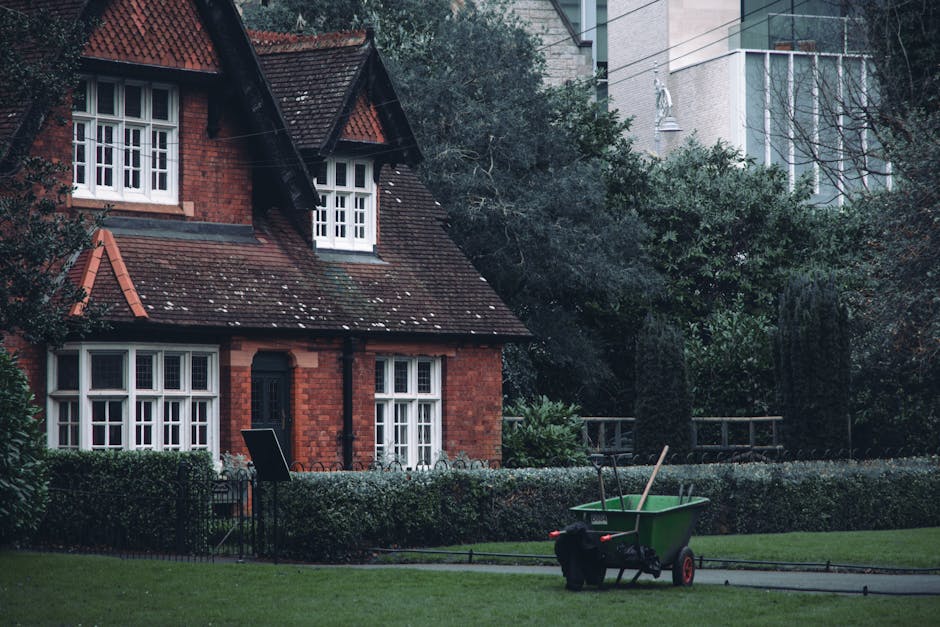
Avoid hidden charges from Penge gardeners: what to know
Getting a gardener in should feel straightforward. You explain what needs doing, agree a price, and then the work gets done. Simple. But if you have ever received a final bill that looked oddly larger than the conversation you remember, you will know why avoid hidden charges from Penge gardeners what to know is such a practical topic. In the real world, pricing can get messy fast: waste disposal, access issues, extra labour, materials, and "small" add-ons that somehow grow legs.
This guide is here to help you spot those risks early, ask the right questions, and compare quotes properly. We will go through how pricing usually works, which charges are reasonable, where hidden costs tend to appear, and what to check before anyone starts cutting, clearing, or digging. No scare tactics. Just a clear, grounded way to avoid awkward surprises. And honestly, it saves a lot of faff.
Why Avoid hidden charges from Penge gardeners what to know Matters
Hidden charges are not just annoying. They can change how you budget for a one-off tidy-up, a regular maintenance visit, or a bigger landscaping project. A quote that looks reasonable at first can become less useful if it leaves out disposal costs, travel, minimum call-out charges, or the difference between labour-only and supply-and-fit pricing.
For homeowners in Penge, the stakes are practical. Gardens vary a lot here. Some are compact and easy to access; others have narrow side passages, old fencing, awkward slopes, or a pile of green waste that was bigger than expected once the job began. To be fair, that is exactly where misunderstandings creep in. A gardener may genuinely have based the quote on incomplete information, and you may still feel the final bill was never properly explained.
This matters because garden work is often booked for a reason: you want something sorted quickly, cleanly, and without extra stress. When pricing is transparent, you can decide whether to proceed, whether to trim the scope, or whether to compare it with other providers. When it is not, you end up paying not just money but time and energy too.
Practical takeaway: a good gardening quote should explain what is included, what is excluded, and what could change the price before work starts. If those details are vague, pause and ask for clarity.
How Avoid hidden charges from Penge gardeners what to know Works
Most gardening jobs start with an enquiry, followed by a site visit or photo-based estimate, then a quote. That is the ideal path. In the best cases, the gardener looks at the size of the garden, the condition of the planting beds or lawn, the amount of waste to remove, access, tools needed, and whether the job is a one-off or ongoing maintenance.
Where hidden charges usually sneak in is the gap between "estimated" and "final". Some jobs are difficult to price perfectly without seeing the space in person, which is fair enough. But the estimate should still tell you which parts are fixed and which parts may vary. If a provider says, "We will sort it on the day," that can be fine for minor work. For larger jobs, though, it leaves too much room for surprises.
The issue is not always dishonesty. Sometimes it is simply poor communication. A quote may cover labour but not waste removal. Or it may assume easy access, when in reality the team has to carry bags through a side gate, around the house, and down three steps in the drizzle. That extra effort is real. It just needs saying upfront.
In practice, transparent pricing often includes:
- a clear description of the work
- labour time or day rate, if relevant
- materials or plant supplies
- waste collection or disposal fees
- access or parking considerations
- VAT status, where applicable
- any likely extras that might arise
If you are comparing a few providers, it helps to look at a dedicated pricing and quotes page first, then check the broader services overview so you understand what type of work each quote is actually covering. That small bit of homework often prevents the "oh, I thought that was included" moment later.
Key Benefits and Practical Advantages
A transparent quote is not just about avoiding bad surprises. It gives you control. When you know what you are paying for, you can make better decisions on scope, timing, and whether a service is worth booking now or later.
The main benefits are fairly straightforward:
- Better budgeting: you can plan for the true cost, not the advertised one.
- Fewer disputes: there is less room for "I didn't know that was extra."
- Cleaner comparison: quotes become easier to compare like-for-like.
- More confidence: you feel calmer before the work begins.
- Better value: you can choose the right scope rather than overbuying or underbuying the job.
There is also a subtle but important benefit: a clear quote often tells you something about the business itself. A gardener who explains exclusions, waste handling, and payment terms properly is usually thinking carefully about the work. That is a good sign. Not a guarantee, obviously, but a good sign.
For repeated jobs such as lawn care or hedge visits, transparent pricing also helps you understand whether you are paying a fair regular rate or being quietly charged for every little extra. If you are looking at routine work, a stable arrangement through garden maintenance, lawn mowing, or hedge trimming should be simple enough to explain in advance.
Who This Is For and When It Makes Sense
This guidance is for anyone booking garden work in Penge and wanting to avoid a tricky final bill. That includes landlords, homeowners, busy families, older residents, people managing a property from a distance, and anyone arranging work after a long period of garden neglect. In other words, quite a lot of people.
It makes especially good sense if the job involves any of the following:
- large amounts of green waste
- hedges, trees, or overgrown shrubs
- access through narrow side passages
- uneven ground or awkward working conditions
- clearing a garden after a long gap
- adding decking, hard landscaping, or larger improvements
If your job is a simple lawn cut on an open plot, the risk of hidden charges is lower, though not zero. Once the work becomes more involved, pricing details matter more. It really is that simple.
People often ask whether they need to worry about hidden costs for every job. Not every job, no. But if the quote seems unusually brief, or if the gardener avoids answering direct questions, that is the moment to slow down a little.
Step-by-Step Guidance
Here is a practical way to protect yourself before you book.
1. Describe the job as specifically as you can
Do not just say "tidy the garden." Say what needs doing: lawn cutting, hedge trimming, clearance, weeding, pruning, pressure on waste removal, or preparing the space for a new layout. If you can, note whether the area is accessible, whether there is parking nearby, and whether the garden backs onto shared access. Those details matter more than people think.
2. Ask what the quote actually includes
Is it labour only? Labour plus waste removal? Does it include fuel, tools, disposal bags, and basic materials? If you are getting landscaping work, ask whether items such as gravel, sleepers, edging, or soil are included separately or estimated as extras. One vague answer here can cost you later.
3. Confirm how extra work is approved
A sensible provider should tell you how they handle unexpected additions. For example, if they uncover buried rubble during a garden clearance, will they stop and ask first, or continue and bill later? The best answer is usually: stop, explain, agree, proceed.
4. Check the payment terms
Ask when payment is due, what methods are accepted, and whether any deposit is required. If a deposit is taken, make sure you understand whether it is refundable and under what conditions. A bit of clarity here avoids uncomfortable conversations at the gate with gloves still on.
5. Ask about waste disposal and recycling
Garden waste can be a genuine cost, especially if there is a lot of it. Some teams remove everything; others price disposal separately. You should know which one you are getting. If sustainability matters to you, ask how the material is handled and whether the provider works with responsible recycling practices. Their answer tells you plenty.
6. Get the agreement in writing
This does not need to be a full legal document for a small job, but it should be written enough to leave a record. Email, message, or a simple quote is far better than a quick phone chat you will later remember differently. Memory is funny like that.
7. Keep an eye on any changes on the day
If the job changes once work begins, pause and check the new price. A brief conversation before the extra work is done is much easier than debating the final invoice after the soil has already been shifted and the van is loaded.
Expert Tips for Better Results
After enough garden quotes, a few patterns become obvious.
First, ask for like-for-like pricing. Two quotes can only be compared properly if they cover the same job. A cheaper quote might exclude disposal, while a more expensive one may include everything. That is not an expensive quote; that is a more complete one. Big difference.
Second, be wary of vague language. Phrases such as "from," "subject to," or "depending on conditions" are not bad on their own. They are normal. But if almost every cost is described that way, the quote is doing very little work for you.
Third, think about access before the team arrives. If gates are locked, parking is tight, or the path is difficult, mention it early. Not because you are awkward, but because access issues can affect labour time and waste handling.
Fourth, keep photos. A few clear images of the area before work begins can be very useful. They help confirm the condition of the garden, the volume of waste, and the level of overgrowth. A quick photo taken on a grey Wednesday morning can save a lot of debate later.
Fifth, ask the awkward question anyway. If something feels unclear, say so. Good providers are used to it. The not-so-good ones, well, they tend to dislike being pinned down. Which says enough, really.
For larger outdoor projects, it can also help to read about landscaping and landscape gardening if you are moving beyond simple maintenance. Bigger jobs often involve more variables, so the pricing conversation should become more detailed, not less.
Common Mistakes to Avoid
These are the mistakes that tend to cause most frustration.
- Accepting a quote with no scope: if the work is not described clearly, the final bill can drift.
- Assuming waste removal is included: it often is not, especially on clearance-heavy jobs.
- Forgetting to mention access problems: awkward entry points can change labour time.
- Not asking about minimum charges: some small jobs still attract a minimum visit fee.
- Skipping the written confirmation: verbal agreements are easy to misremember.
- Comparing price alone: the cheapest quote is not always the best value.
Another common one is booking a service without reading the provider's terms. Even a short terms page can explain how changes, cancellations, and payment timing are handled. It is not exactly thrilling reading, granted, but it can prevent confusion later. For that reason, it is worth checking the terms and conditions and the payment and security information before you commit.
And yes, sometimes the mistake is simply trusting your rushed self on a Monday afternoon. We all do it. Then the invoice lands and the tea goes cold.
Tools, Resources and Recommendations
You do not need fancy software to avoid hidden charges. A notebook, a phone camera, and a couple of careful questions go a long way.
Useful things to have ready:
- a list of the work you want done
- current photos of the garden from different angles
- access notes: gates, parking, side paths, stairs
- your preferred timing and any urgent deadline
- any concerns about waste, pets, or neighbour access
- a record of all quotes and messages
If you are trying to choose between different services, the site's services overview can help you understand the scope of each option. You may also find it useful to review garden maintenance if you want regular visits rather than one-off work, or tree lopping and removal if the job involves larger vegetation and a more complex setup.
If sustainability matters to you, take a look at the approach to recycling and sustainability. It is a good indicator of how waste and materials are handled, and it can also shape how transparent a quote feels overall.
For peace of mind on trust and professionalism, the pages on insurance and safety and health and safety policy are worth a glance too. You are not being difficult by checking. You are being sensible.
Law, Compliance, Standards, or Best Practice
For garden services, the main thing is not to treat pricing as a guess. In the UK, customers generally expect clear information about what they are paying for, especially where a job can change in size or complexity. While every business has its own way of quoting, good practice usually means the provider should explain the scope, any exclusions, and the conditions that could affect the final price.
If the work involves removals, waste, machinery, ladders, or tree-related tasks, then safety and insurance become even more important. That is not just a formality. It is part of responsible trade practice. A reputable provider should be able to explain how they manage risk on site, especially where there is a chance of damage, injury, or disposal issues.
It is also sensible to expect fair communication around deposits, cancellation terms, and payment timing. These are not small details. They shape what happens if plans change, the weather turns, or a job needs to be delayed.
In plain English: good compliance is not about paperwork for its own sake. It is about trust. The clearer the process, the less room there is for awkward surprises. And if a provider is transparent about how they operate, that usually carries through to their pricing too.
Options, Methods, or Comparison Table
When you are trying to avoid hidden charges, the real choice is often between quote styles rather than just prices. Here is a simple comparison.
| Quote type | What it usually means | Risk of hidden charges | Best for |
|---|---|---|---|
| Fixed quote | A set price for a clearly defined job | Lower, if the scope is accurate | Clear one-off jobs with good detail |
| Estimate | An informed guide that may change if conditions differ | Medium to higher | Jobs with unknown waste or access issues |
| Hourly rate | You pay for time spent on site | Can rise if the job is slower than expected | Flexible tasks or small ongoing work |
| Labour plus extras | Work is priced separately from materials or disposal | Lower if the extras are itemised clearly | Projects with materials or waste removal |
The safest option is not always the cheapest-looking one. It is the one you can understand. A fixed quote with clear inclusions is usually easier to manage, but an estimate can still be fine if the variables are explained properly. The problem is not the format. It is the ambiguity.
Case Study or Real-World Example
Imagine a Penge homeowner booking a garden tidy after months of rain and neglect. The lawn has gone patchy, the hedge is leaning a little too confidently over the path, and there is a decent pile of cuttings at the back. Nothing dramatic. Just one of those jobs that looks manageable until you start breaking it down.
The first quote sounds attractive: a low price, quick turnaround, done in one visit. But it does not mention waste removal. It also assumes "easy access" without asking whether the side gate is wide enough for a wheelbarrow. The second quote is slightly higher, but it includes disposal, a clearer scope, and a note saying any extra waste would be agreed before removal. Which one is actually safer?
In that kind of situation, the second quote often proves better value. The final bill is less likely to jump, and the homeowner knows exactly what was included from the start. The job may not feel flashy. No one is posting before-and-after glory shots at 8am. But the outcome is calmer, cleaner, and a lot easier to live with.
That is usually how it goes with transparent pricing. It is not exciting. It is simply easier. And easier is underrated.
Practical Checklist
Use this checklist before agreeing to any gardening work:
- Have I described the job clearly and specifically?
- Do I know whether the quote is fixed or only estimated?
- Are labour, materials, and waste removal itemised?
- Have I mentioned access, parking, and any awkward entry points?
- Have I asked what counts as an extra charge?
- Do I know when payment is due?
- Is the agreement written down somewhere?
- Have I checked terms, safety, and insurance information?
- Do I understand what happens if the job changes on the day?
- Am I comparing quotes on the same basis?
If you can tick most of those off, you are in a much stronger position. Not perfect, maybe, but solid. And solid is what you want.
Conclusion
When you are trying to avoid hidden charges from Penge gardeners what to know really comes down to one thing: clarity. Clear scope, clear price, clear extras, clear payment terms. If those pieces are in place, the whole experience feels much more manageable.
The good news is that you do not need to be an expert to protect yourself. You just need to ask a few direct questions, compare quotes properly, and trust your instincts if something feels vague. A decent gardener will not mind that. In fact, the best ones usually appreciate a customer who knows what they want.
So keep it simple, stay curious, and do not be rushed by a tidy number with hidden strings attached. A well-explained quote is worth far more than a cheap one that turns mysterious halfway through.
Get a free quote today and see how much you can save.
Frequently Asked Questions
What counts as a hidden charge from a gardener?
A hidden charge is any cost that was not explained clearly before the work began. Common examples include waste disposal, extra labour, materials, or minimum call-out fees that were never discussed in advance.
Should a gardening quote include waste removal?
Not always, but it should be clearly stated either way. If waste removal is included, that should be written down. If it is extra, you should know how it will be priced before the job starts.
Is a fixed quote better than an estimate?
Usually, a fixed quote is easier to manage because you know the cost upfront. An estimate can still be useful for variable jobs, but it should explain what might change the final price.
How can I tell if a quote is fair?
A fair quote is usually specific, itemised, and realistic for the scope of work. Compare quotes on the same basis, not just by total price. A cheaper quote can be incomplete rather than genuinely better value.
What should I ask before booking a gardener in Penge?
Ask what is included, what is excluded, whether waste removal is covered, how extras are approved, when payment is due, and whether the quote is fixed or estimated. Straight questions save headaches later.
Do gardeners charge extra for difficult access?
They sometimes do, especially if access affects labour time, equipment handling, or waste removal. The important thing is that any access-related cost is explained before work begins.
Is it normal to pay a deposit?
For larger jobs, a deposit can be normal. What matters is that the amount, purpose, and refund conditions are explained clearly in advance. For smaller routine jobs, deposits are less common.
How do I avoid being overcharged for garden clearance?
Give a clear description of the waste, ask whether disposal is included, and share photos if possible. If the garden is heavily overgrown, make sure the quote accounts for that properly rather than vaguely.
What if the gardener finds more work on the day?
They should pause and explain the extra work before continuing. If the scope changes, the price should be agreed again. That way there is no confusion when the invoice arrives.
Should I read terms and conditions before booking?
Yes, even if the job feels straightforward. Terms and conditions usually explain payment, cancellations, changes to scope, and other practical details that can affect the final cost.
Do regular maintenance visits reduce the chance of hidden costs?
Often, yes. Regular visits tend to be easier to price because the garden stays under control. That said, you should still confirm what each visit includes and whether anything extra will be charged separately.
What is the safest way to compare gardeners?
Compare like for like. Look at the scope, the exclusions, the waste arrangement, and the payment terms, not just the headline number. That gives you a much truer idea of value.